
Introduction
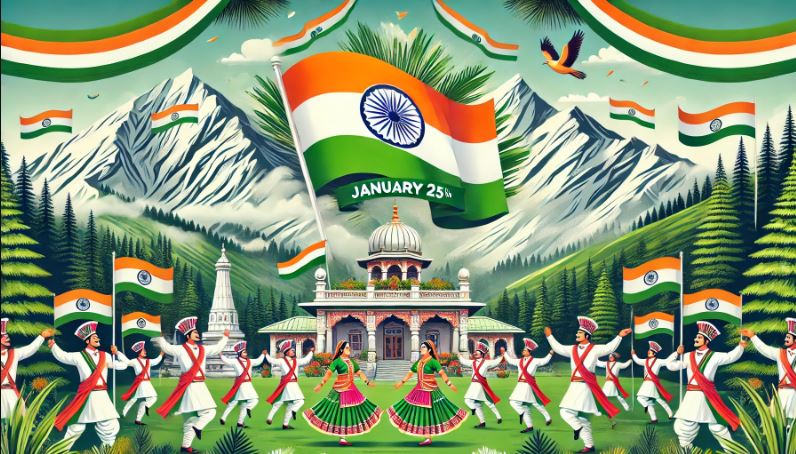
Himachal Pradesh, often referred to as the “Land of Gods” (Dev Bhoomi), is a picturesque state in northern India known for its serene landscapes, vibrant culture, and rich heritage. Every year on January 25th, the state celebrates its Statehood Day, marking the historic event when Himachal Pradesh became a full-fledged state of the Indian Union in 1971. This day holds immense significance for the people of Himachal Pradesh and is celebrated with great enthusiasm and pride.
Historical Background
Himachal Pradesh’s journey to statehood is a tale of resilience, unity, and development. Post-independence, the region was a cluster of princely states under British India. Following independence in 1947, these princely states were merged to form the Chief Commissioner’s Province of Himachal Pradesh on April 15, 1948.
Subsequently, Himachal Pradesh was granted the status of a Union Territory in 1950. Over the years, the demand for full statehood grew stronger, driven by the aspirations of the people for greater autonomy and recognition of their unique identity. After years of efforts, Himachal Pradesh was finally elevated to the status of the 18th state of India on January 25, 1971, through the Himachal Pradesh State Act, 1971. This milestone was achieved under the leadership of Dr. Yashwant Singh Parmar, the first Chief Minister of the state, who is fondly remembered as the architect of modern Himachal Pradesh.
Significance of Statehood Day
Statehood Day is more than just a celebration; it is a day to honor the remarkable progress the state has achieved since its formation. It serves as a reminder of the collective efforts of the people and leaders who worked tirelessly to transform Himachal Pradesh from a predominantly agrarian society into a modern, progressive state.
The state is now renowned for its achievements in education, healthcare, tourism, and infrastructure development. Himachal Pradesh boasts one of the highest literacy rates in India and has made significant strides in sustainable development and renewable energy.

Celebrations and Festivities
Statehood Day is celebrated with great fervor across Himachal Pradesh. The official celebrations are held in the state capital, Shimla, as well as in other towns and villages. Key highlights of the day include:
- Flag Hoisting Ceremony: The Chief Minister and other dignitaries participate in flag hoisting ceremonies, accompanied by the singing of the national anthem and patriotic songs.
- Cultural Performances: Traditional Himachali dances like Nati and Kullu folk songs are performed to showcase the rich cultural heritage of the state.
- Awards and Honors: Distinguished individuals and organizations contributing to the development of the state are recognized and honored during official events.
- Parades and Exhibitions: Colorful parades and exhibitions highlight the state’s achievements and its journey to progress.
Schools, colleges, and local communities also organize cultural programs, debates, and essay competitions to spread awareness about the importance of this day.

Himachal Pradesh: A Beacon of Progress
Since achieving statehood, Himachal Pradesh has emerged as one of the most developed states in India. Its natural beauty, coupled with progressive policies, has made it a favored destination for tourists and investors alike. The state’s commitment to preserving its natural resources and promoting eco-friendly practices sets an example for the rest of the country.
Conclusion
Himachal Pradesh Statehood Day is a time to celebrate the spirit of the state, its people, and its achievements. It is a day to reflect on the journey from being a Union Territory to becoming a flourishing state. As Himachal Pradesh continues to scale new heights, this day serves as a reminder of the unity, perseverance, and vision that define its identity.
Let us join hands in celebrating this proud occasion and pay tribute to the legacy of Himachal Pradesh—its culture, natural beauty, and the indomitable spirit of its people.
Leave a comment